

For years, Nadia Marcinkova lived a life that felt oddly split in two.
On one side, she was a polished aviation figure. A Slovakia-born pilot. A flight instructor. The founder and CEO of an aviation platform called Aviloop. Online, she built a sleek persona in the early 2010s, sharing photos of private jets and branding herself as “The Gulfstream Girl,” becoming something of a niche celebrity in aviation circles.
On the other side was the part of her story that never really let go.
Jeffrey Epstein.
Marcinkova, also known as Nada Marcinkova, was born in 1986 in Košice, Slovakia. According to multiple reports, she left Slovakia for the United States in 1999 when she was just 15 years old. Her move to the US has allegedly been linked to Jeffrey Epstein and his longtime associate Jean Luc Brunel, who were said to have sponsored her immigration status. The exact visa details have never been publicly confirmed, but Epstein’s involvement in her early US life has been widely reported.
By the 2000s, Marcinkova was firmly inside Epstein’s orbit.
She is best known as one of the pilots of Epstein’s private aircraft, often referred to in media as the “Lolita Express.” Court records and investigative reporting later placed her among the women named as unindicted co conspirators in Epstein’s 2007 non prosecution agreement in Florida. That agreement, which granted Epstein immunity from federal charges, has since become one of the most criticized legal deals in recent US history.
Marcinkova has allegedly been accused by some Epstein victims of participating in or facilitating sexual abuse. No criminal charges were ever filed against her, and she has never been convicted of any crime. As with several women connected to Epstein, her role remains murky, existing in a space where victimhood, power, and complicity are difficult to untangle.
In the 2010s, she appeared to reinvent herself.
Marcinkova obtained her pilot’s license and began flying private commercial flights. She leaned heavily into social media at a time when aviation influencers were rare, cultivating a glossy image that emphasized independence, luxury, and technical skill. For a while, the Epstein connection faded into the background, replaced by jet photos, flight decks, and entrepreneurial branding.
That illusion did not last.
Epstein’s arrest in 2019 and his death shortly afterward pulled everyone connected to him back into the spotlight. Marcinkova’s name resurfaced in long form investigations examining Epstein’s network and the women who remained legally untouched despite their proximity to him. Her aviation business and professional footprint were quietly scrutinized. Then, slowly, she seemed to disappear.
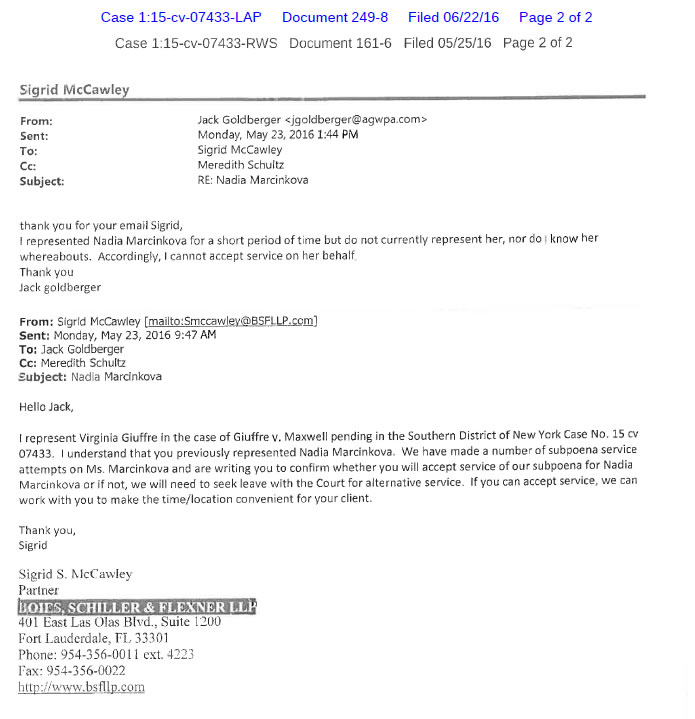
By early 2024, reports began circulating that Marcinkova had not been seen publicly for months. Her online presence went silent. Aviation related appearances stopped. Media outlets began using the word “missing,” though it remains unclear whether any official missing person report was ever filed.
What is known is this: after renewed attention on Epstein related documents and renewed public scrutiny, Nadia Marcinkova effectively vanished from public view.
No interviews. No statements. No sightings.
For someone who once built a brand around visibility, jets, and movement, the silence is striking.
Whether she is intentionally staying out of sight, living under a different name, or simply choosing privacy after years of scrutiny is unknown. What remains is the unanswered question that follows so many figures from Epstein’s world.
How many people quietly walked away, and how many stories were never fully told?