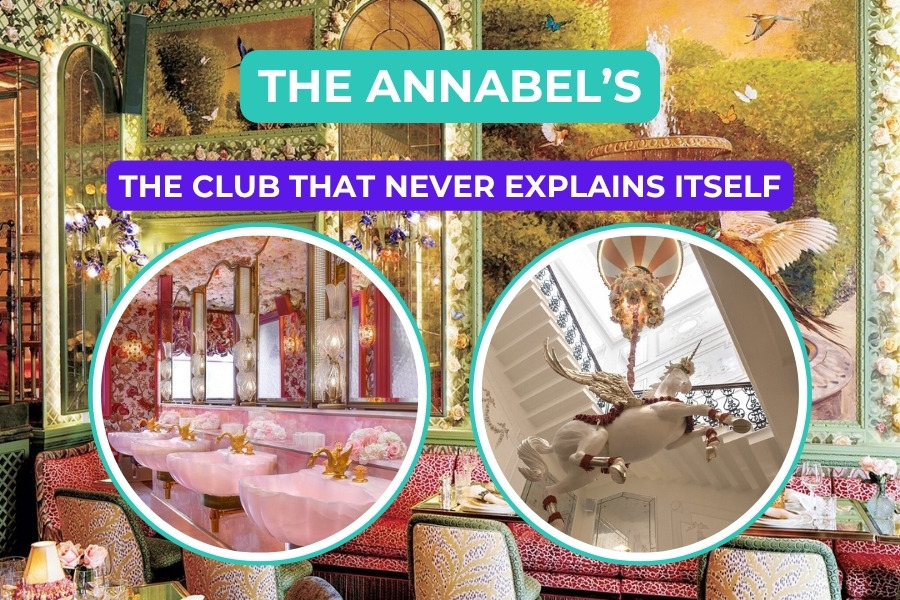
Annabel’s, the ultra-exclusive private members’ club in London’s Mayfair is not the kind of place that needs attention. It has survived for decades by doing the opposite. While trends come and go, this London club has quietly remained a magnet for royalty, politicians, celebrities, and serious money. If you know, you know. And if you do not, that is usually by design.
Annabel’s has always understood something most elite clubs learn too late. Power does not want to be obvious, and wealth does not want to explain itself. It wants chandeliers, velvet, low light, and the ability to disappear five minutes after arriving.
Founded in London in 1963 by Mark Birley, Annabel’s was never meant to be just another private members’ club. It was designed as a social release valve for people who were watched everywhere else. Politicians, royalty, celebrities, financiers, and foreign power players all found something rare inside its walls. A place where status was assumed, not performed.
From the beginning, Annabel’s attracted attention because of who walked through the door. Princess Margaret turned the club into legend. She was known for enjoying nightlife more openly than other royals, which made Annabel’s feel glamorous and less rigid than traditional aristocratic spaces. Her presence signaled that Annabel’s was not stiff or ceremonial. It was indulgent, glamorous, and slightly dangerous in the best way.
That reputation never faded. It just evolved.
Over the decades, Annabel’s became known as a space where the lines between celebrity culture and political influence blurred quietly. British politicians were not photographed giving speeches there, but they were seen arriving late at night. International financiers were not announcing deals, but they were building relationships over long dinners. Nobody talked business officially, but everyone understood why certain conversations mattered.
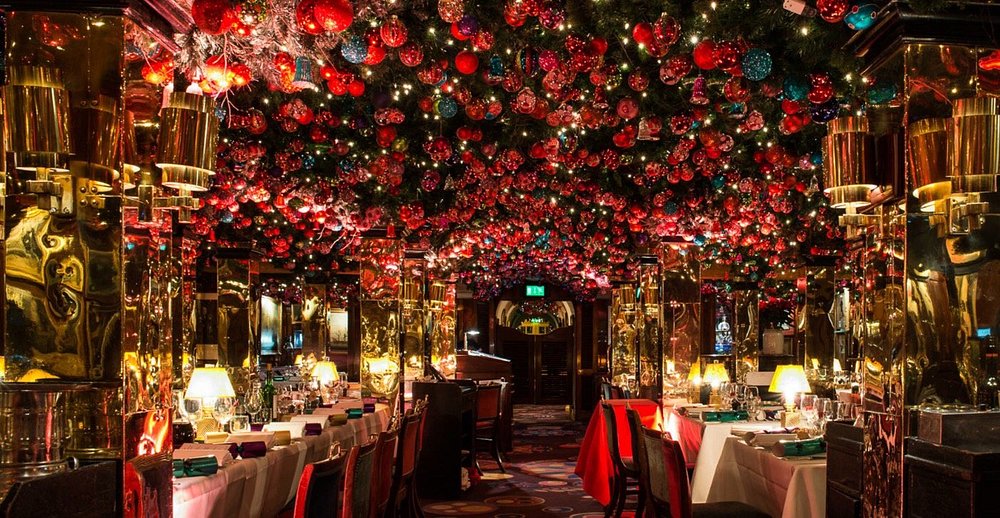
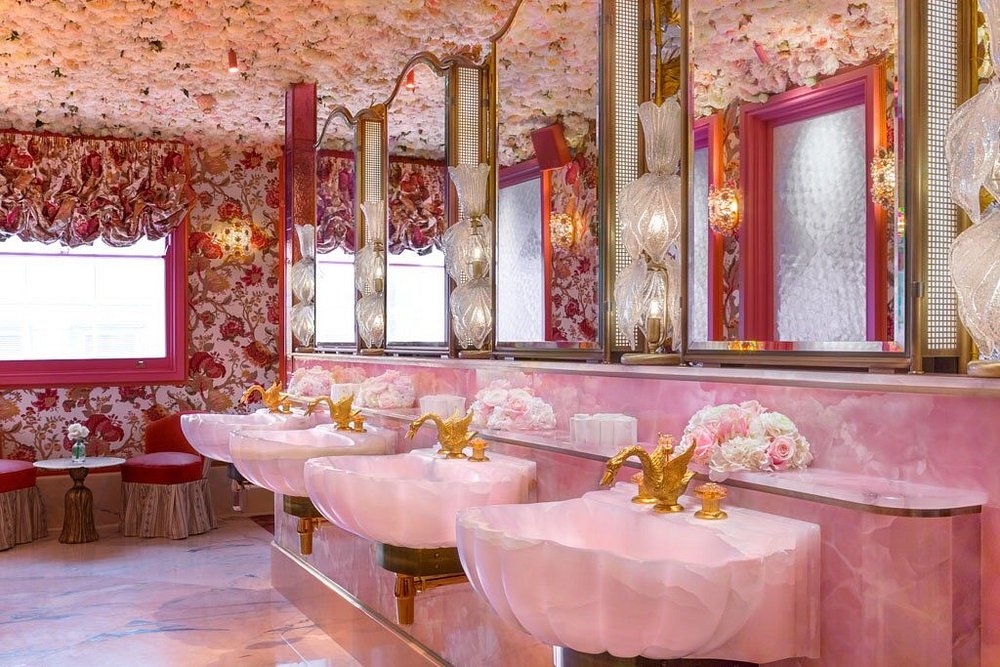
In more recent years, Annabel’s returned to headlines after its lavish reinvention under billionaire Richard Caring. When the club reopened in 2018 in a dramatically redesigned Georgian townhouse on Berkeley Square, the scale of the luxury alone became news. Hand painted ceilings, gold plated bathrooms, private dining rooms hidden behind unmarked doors, and security protocols that rivaled five star hotels.
The reopening itself became a social event that leaked into the press despite the club’s privacy rules. Celebrities including Rihanna, Kate Moss, David Beckham, and Leonardo DiCaprio were all reported to be part of the new Annabel’s orbit. Fashion editors, global executives, and tech money followed quickly.
But it was not just celebrity presence that kept Annabel’s in the news. It was the political proximity.
Members of Parliament, political donors, and advisers were repeatedly photographed entering or leaving Annabel’s during moments of national tension, particularly around Brexit negotiations and leadership shakeups. No wrongdoing was alleged, but the optics were impossible to ignore. While public debates played out on television, private consensus appeared to form over dinner.
That is where Annabel’s becomes interesting.
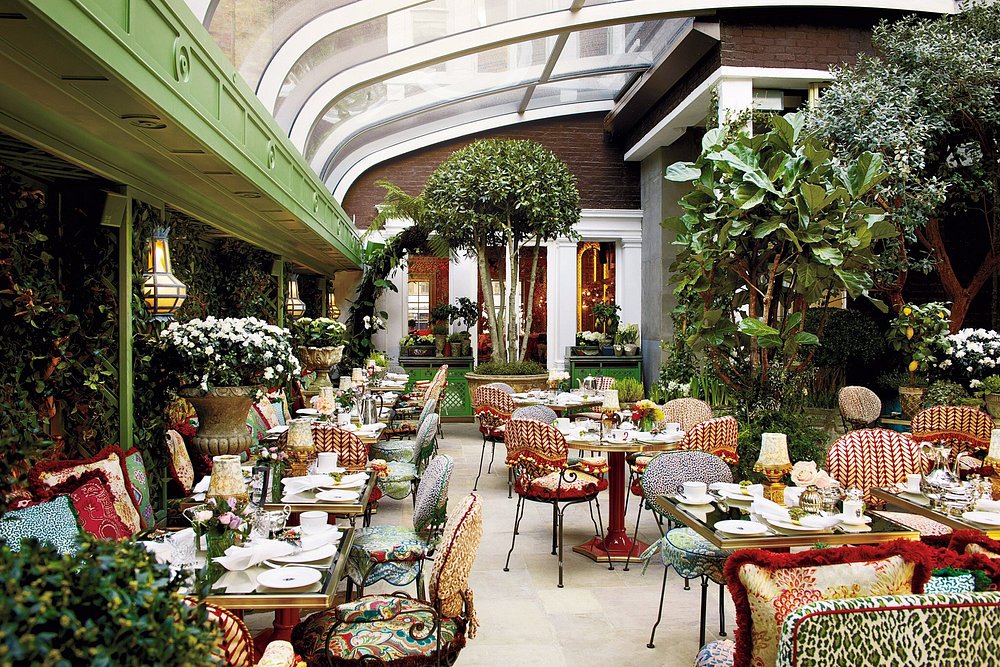
The club has never been accused of running politics from behind closed doors. What it has been accused of is providing the environment where access becomes normal and influence becomes social. When people see each other regularly in relaxed settings, decisions later feel easier. That is not a conspiracy. That is human nature.
Annabel’s has also been linked to moments of controlled scandal. Unlike other nightlife venues, personal drama rarely spills out publicly. Former insiders have described emotional confrontations, relationship implosions, and heated arguments happening quietly inside, followed by immaculate public appearances days later. The club’s culture absorbs chaos instead of amplifying it.
That containment is part of the appeal.
Another reason Annabel’s keeps resurfacing in news coverage is its membership ambiguity. The club does not publish lists, confirm attendance, or comment on speculation. That silence has allowed journalists to connect dots without ever fully closing the loop. Who was there. Who was seated near whom. Who left together. Who stopped appearing.
That absence of confirmation fuels curiosity far more than denial ever could.
Annabel’s has also faced modern scrutiny around exclusivity and access. As London has become more sensitive to wealth inequality and foreign money, elite clubs have been examined as symbols of insulation. Annabel’s is frequently cited as a case study. Not because it is uniquely powerful, but because it is unapologetically selective.
The club does not pretend to be democratic. It never has.
What makes Annabel’s different from newer private clubs is that it does not chase relevance. It does not court influencers. It does not encourage visibility. It relies on history, discretion, and the understanding that the people inside do not need validation from the outside.
That philosophy is why Annabel’s continues to appear in news stories without ever fully being explained.
It is not a shadow government. It is not a party club. It is something more enduring and more unsettling to some people. A place where power relaxes, relationships deepen, and influence passes naturally without leaving fingerprints.
And as long as London remains a global crossroads of money, politics, and culture, Annabel’s will remain one of the rooms where the real conversations happen quietly, long before anyone steps in front of a microphone.
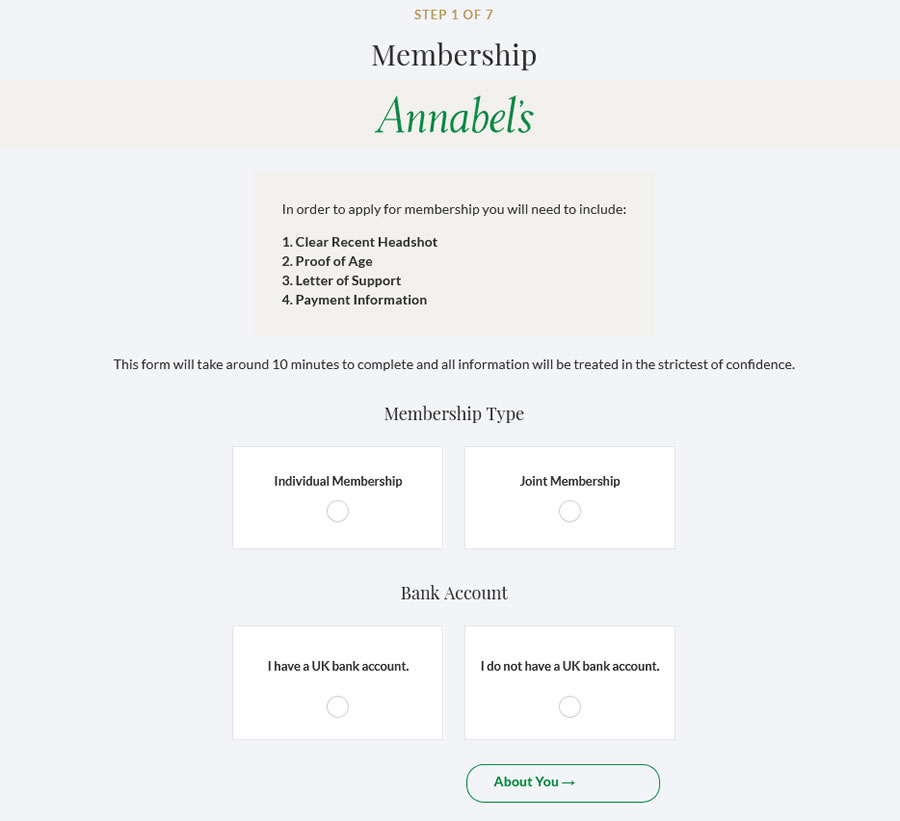
If you feel like applying for a membership here is the website: https://annabels.co.uk/
Heads up.. here is the First step of the application…
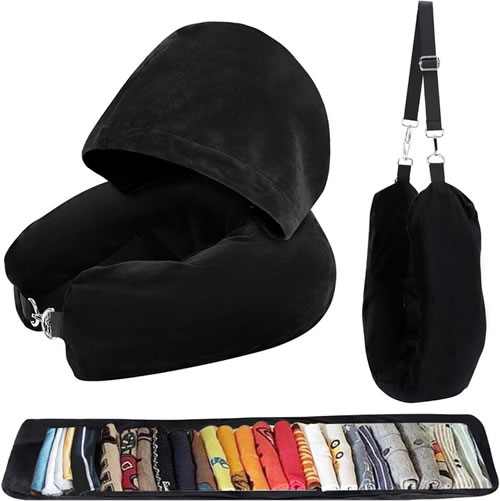
If you are catching a flight to head to Annabell’s you might want to grab this Stuffable Hooded Travel Pillow Hoodie. Be honest… is this genius travel behavior or slightly unhinged? 😏
As an Amazon Associate I earn from qualifying purchases!