Ghislaine Maxwell is back in the headlines, not because she is getting out of prison, but because she is trying one final legal maneuver to undo the sentence that put her there.
Maxwell, who is serving a 20-year federal sentence for helping Jeffrey Epstein recruit and abuse underage girls, has filed what is known as a habeas corpus petition. In plain terms, she is telling a judge that she believes she is being held in prison unfairly and that her trial itself was fundamentally broken.
This is not a normal appeal. That window has already closed. This is closer to a last emergency door, one that only opens if a court believes something went seriously wrong at a constitutional level.
Maxwell’s argument centers on the jury. She claims that at least one juror did not fully disclose personal experiences during jury selection and that this information could have affected the fairness of the trial. She also argues that certain evidence and information were not properly available to her defense at the time.
In other words, she is saying that if everyone had known then what is being discussed now, the outcome might have been different.
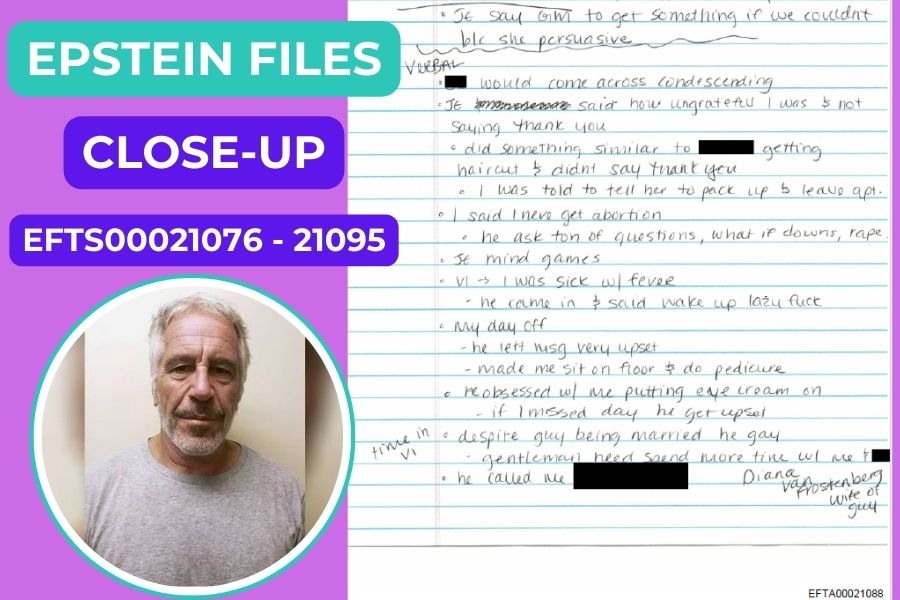
What makes this filing especially interesting is the timing. Maxwell submitted it just as a new wave of Epstein-related documents is expected to be released. These records include long-sealed investigative and grand jury materials tied to Epstein’s network, a subject that has fueled speculation and frustration for years.
While her filing does not automatically stop those documents from becoming public, it adds a layer of legal tension. Maxwell appears to be positioning herself in case anything in those records supports her claim that her trial was incomplete or flawed.
That does not mean this move is likely to succeed. Habeas petitions are notoriously difficult to win, especially in high-profile federal cases. Most are denied without much fanfare, and legal experts generally expect Maxwell’s conviction to stand.
Still, the filing serves a purpose. It keeps her case alive. It reminds the courts, and the public, that the Epstein saga is not fully settled. And it places Maxwell squarely back into the conversation just as attention is turning once again to who knew what, and when.
For now, Maxwell remains where she is. This is not freedom knocking. It is more like a final knock on a door that rarely opens.
Whether anyone answers is another story.